
The Real Cost of Real Bread
Why learning to make sourdough is one of the most practical things you can do right now
Food prices in the UK have risen sharply in recent years and the pressure is not easing. For most households, the weekly food budget is under strain in a way that feels permanent rather than temporary.
What most people do not realise is that a single day’s sourdough class can change that picture substantially — not just by replacing bought bread, but by quietly replacing a surprising amount of everything else as well.
The numbers are straightforward
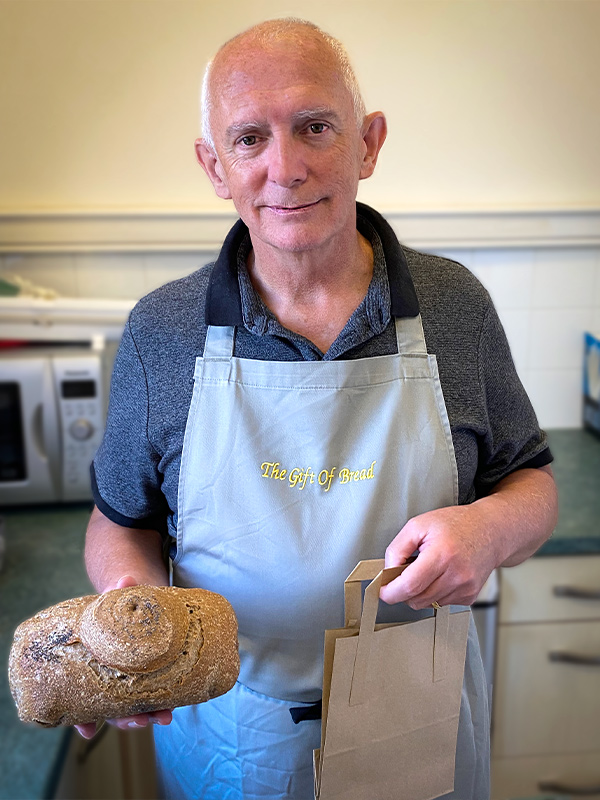
A 600g loaf of genuine wholegrain stoneground sourdough — the bread we teach you to make — costs approximately 70p in ingredients. Flour, water, salt, and a live starter. Nothing else.
Two people eating one loaf a day spend around £5 a week on bread. The equivalent artisan sourdough from a bakery costs £3 to £5 per loaf — between £21 and £35 a week. The saving on bread alone is considerable.
But the saving on bread is only part of the story.
Where the real saving comes from
1. The bread itself High quality stoneground flour is one of the least expensive base food materials available. A loaf that would cost £3 to £5 in a bakery costs under £1 to make at home. For those who currently buy gluten-free bread — typically £3 to £4.50 per loaf — the annual saving can exceed £800.
2. What you stop buying Long-fermented wholegrain sourdough is exceptionally satisfying. One slice of toast in the morning stays with you. The bread with soup or cheese is a complete meal. What our students consistently report is that they simply stop buying a range of other things — packaged snacks, processed breakfast foods, shop-bought biscuits, ready desserts, convenience foods. Not as a conscious decision, but because they are no longer hungry for them.
A conservative estimate for a two person household puts this reduction at £15 to £25 per week.
3. What you make from the leftover starter Making sourdough bread produces excess starter. That starter is not waste — it is an ingredient. We show you how to use it for fresh pasta, sourdough cakes, oat biscuits, and more. Our most regular dessert at home is sourdough cake with custard or fruit in season. These are foods that would otherwise be bought. Using the starter regularly saves a further £5 to £10 per week.
What this adds up to
For a two person household making sourdough bread regularly and using the starter for cakes, pasta, and biscuits, a realistic weekly saving is £20 to £50. Annually that is £1,000 to £2,600.
The class costs £75.
The average sourdough bread class in the UK costs between £100 and £200. In London prices typically run from £160 to £220. At £70, our class is among the most affordable in the country — and it is held in Somerset, not a city centre with city centre overheads.
At a conservative saving of £20 per week, the class pays for itself within four weeks. Everything after that is money that stays in your pocket — and the skill, once learned, lasts a lifetime.
This skill becomes more valuable as prices rise
Flour prices rise far more slowly than processed foods. The more layers of processing, packaging, transport, and retail overhead a food product contains, the more exposed it is to inflation. Sourdough bread has almost none of those layers.
Flour, water, salt, and time.
As food prices continue to rise, the household that can produce a substantial, nutritious, genuinely satisfying food from basic ingredients becomes progressively less affected by what happens in the supermarket. The higher food inflation goes, the more this skill is worth.
A particular note for coeliacs and those with gluten sensitivity
Gluten-free products are among the most expensive items in any supermarket. A coeliac household buying gluten-free bread, snacks, and specialist products regularly can easily spend £30 to £50 per week on those items alone. The potential annual saving from replacing them with properly made long-fermented sourdough — which many people with gluten sensitivity find they can eat without difficulty — can exceed £1,500.
We have had 98 registered coeliacs through our classes, of which four people were unable to continue. Better than 90% success. We have worked with doctors’ surgeries, heads of hospital departments and even Harley Street doctors. Please contact us for further advice.
I offer that not as a medical claim but as a personal and honest statement of what is possible.
A different relationship with food
Flour is one of the oldest and most stable foods in human history. A loaf made from good flour, water, salt, and a live culture costs under £1, keeps well, satisfies completely, and can form the base of a diet that is genuinely nourishing.
Learning to make it properly — once — changes what you need to buy for the rest of your life.
The class is £75. It is available each week in Devon, or we can come to you.